By: Sports Correspondent
August 8, 2026, Cadlwell, Idaho.
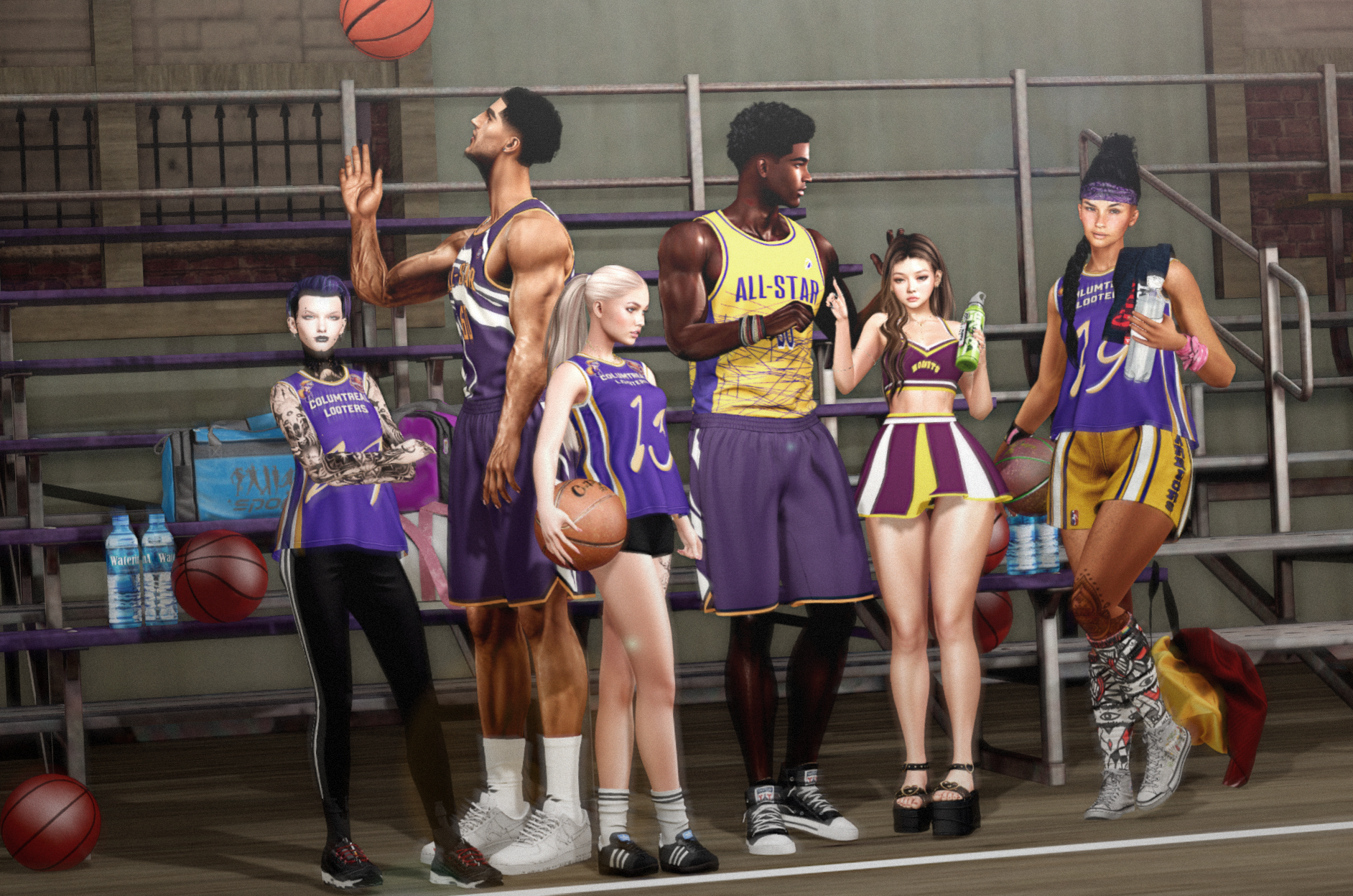
Columtreal’s second mixed-gender 3v3 tournament ended without another trophy, but with considerably fewer illusions about what Adult Elite basketball asks from a five-player team.
The Hoopers finished fourth at the Caldwell Summer Street Jam after winning their group, surviving the quarterfinal and then gradually running out of usable rotation over the final two rounds.
It was not one collapse. It took all six games.
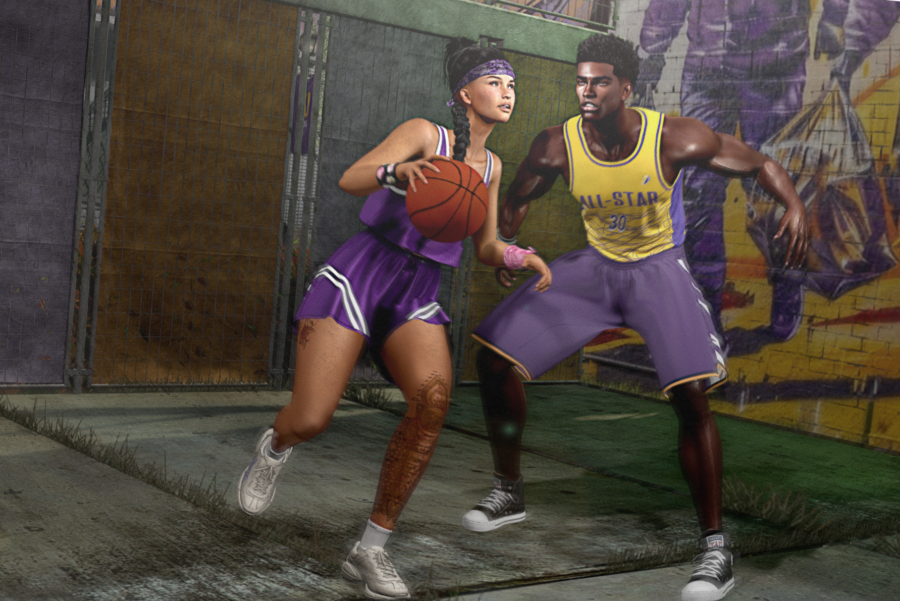
Columtreal opened against Nampa Open Tabs with what was probably its only genuinely economical game of the tournament. Natasha Wilson stayed largely in support, Damon Lucieno handled the usual physical work around the basket, and Clivia Sanko-Tang showed a more controlled defensive approach than she had in New Jersey. Josiah Jabari and Olympia Lowell-Forbes provided most of the entertainment.
Jabari, finally back in tournament basketball after a long injury absence, was visibly eager to show what he could still do. Lowell-Forbes needed considerably less encouragement. Between ambitious handles, difficult finishes and a healthy amount of presentation after successful possessions, the pair quickly became popular with the crowd.
Against Nampa, most of it worked. The Hoopers won without spending much more than necessary.
That changed against home-side Caldwell Late Fees.
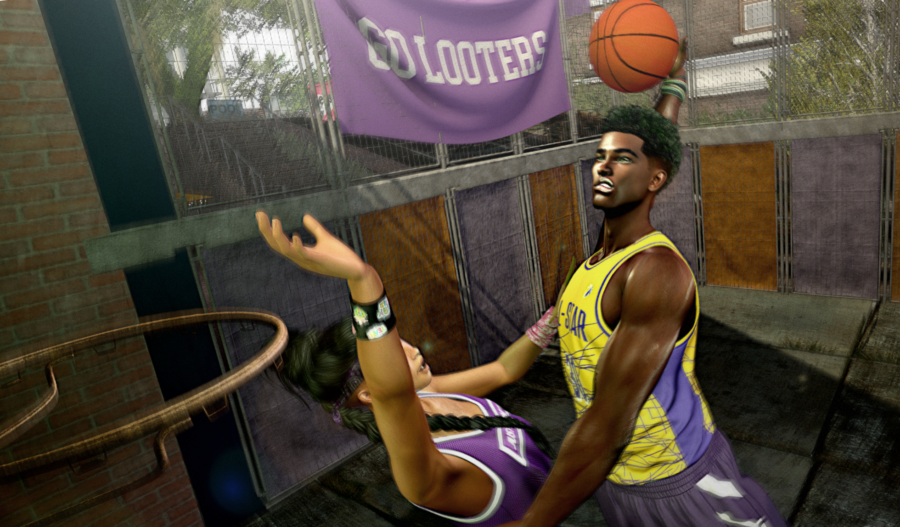
The theatrics initially had the crowd considerably more involved than offended, but Caldwell was better organized, more physical and less willing to let individual breakdown moves become the entire game. Jabari occasionally held possessions too long trying to establish himself, while Lowell-Forbes lost several balls after beating the first defender and deciding that the second defender presented more of an invitation than a warning.
Columtreal paid for it. By the middle of the game, what had begun as another controlled group-stage outing was becoming a genuine loss. With accumulated scoring potentially deciding qualification, simply conceding the result and conserving energy was no longer attractive. The Hoopers increased their workload instead. Wilson became more aggressive offensively. Lucieno attacked the glass harder. Sanko-Tang increased the defensive pressure.
They could not save the game but they did keep it close. That proved important, with all teams losing chance to establish 3 win dominance, the accumulated offensive score would decide the group’s victor.
Columtreal entered the final group game against Meridian Wrong Turn knowing that a win alone might not be enough. They needed points and the response was collective, where 2 point scoring was apparent path to quick points.
Rather than simply putting the ball in Wilson’s consistent long-range abilities and asking for miracles, Columtreal began deliberately manufacturing the kind of outside looks she converts best. Lucieno occupied bodies inside and provided screens and second chances. Sanko-Tang worked through the middle, drawing help and moving the ball back outside. Jabari, noticeably more grounded after the Caldwell loss, played a simpler and more effective game while still looking for opportunities to establish himself near the basket.
Lowell-Forbes continued operating according to somewhat different aesthetic priorities. Earlier opponents had already noticed her reluctance to give up the ball once she beat the first defender. Meridian tried to exploit it. Forbes beat the first defender, attacked the help as well and dropped a reverse layup through the traffic in the unexpected top highlight play of the round, same that she failed to convert several times in previous rounds.
When Meridian showed essentially the same trap later expecting the same results, she apparently decided the point had already been made as Forbes avoided it by picking almost dismissive simple pass to an open Lucieno for boringly effective score. Her showmanship remained unmistakable throughout the group stage, but Caldwell saw a friendlier version of it than New Jersey had. Lowell-Forbes still played to cameras, acknowledged spectators and clearly enjoyed leaving somebody embarrassed behind her, but the spectacle stayed inside basketball. This time she was winning over onlookers rather than starting arguments with them.
Columtreal won the game and, on accumulated scoring, the group. The qualification came with a price. The plan had been to use the group stage conservatively and arrive in elimination with reserves intact. Instead, the second-game loss had forced the team to fight for the margin, and Game 3 had required a deliberate scoring push just to stay alive.
The quarterfinal against Eagle Hard Reset was an attempt to repair some of that damage.
Columtreal attacked early, looking to establish a cushion and reach the 21-point target quickly enough to buy additional recovery before the semifinal.
For the score, it worked. Wilson found points from downtown early, but Eagle responded by becoming increasingly physical as possible elimination approached. Comfortable outside positions disappeared. Every catch became more contested. Drives drew bodies. Through the round Wilson drew three shooting fouls and converted nearly everything from the line. On defense she also established position for two charging fouls, both valuable possessions and both heavy impacts. As the score moved toward 21, Eagle’s desperation only increased, and the desperation left bruises across the Columtreal team. Wilson’s accuracy remained good, but the accumulated contact began shaving away some precision. Her final free throw missed.
Columtreal still reached 21 and ended the game ahead of the full clock. The additional recovery amounted to less than a minute. It had been an extremely expensive minute.
The semifinal against Boise High Mileage exposed exactly how expensive.
Wilson entered needing reduced minutes after the quarterfinal, which pushed more responsibility onto the remaining rotation. Sanko-Tang and Lowell-Forbes carried longer stretches, while Jabari took a larger share of the mandatory male minutes alongside Lucieno.
For a while, it held. Then Jabari’s shoulder began giving him the wrong kind of feedback. After roughly a year away from competitive basketball, he recognized enough discomfort in the previously injured shoulder to ask out rather than risk another serious setback. It was an unfortunate decision for Columtreal and an entirely sensible one for Jabari.
With Jabari no longer able to provide rotation, Lucieno became permanent. Columtreal now had only one male player available for the remainder of the round, and the mixed-gender rules required one on court at all times.
Boise noticed. They did not attack the problem recklessly. They attacked it patiently. High Mileage kept rotating its own players, kept forcing Columtreal through defensive possessions and repeatedly pushed at whichever part of the lineup was weakest at that moment. When Wilson rested, Columtreal lost size and versatility. When she returned, Boise made her work through the physical punishment of the quarterfinal. When Lucieno needed relief, there was none available.
Sanko-Tang continued applying disciplined pressure, though fatigue was beginning to strip some explosiveness from the effort. Lowell-Forbes remained useful with the ball and, importantly, remained emotionally under control even as the game became harsher. Nobody imploded, that was not required. Boise simply had more usable basketball left. The semifinal slowly moved away from Columtreal as the fresher team collected rebounds, recovered faster, forced another defensive rotation and then another.
High Mileage won without having to spend itself at the same rate. It went on to finals and eventually win the tournament.
Columtreal still had one game left.
Treasure Valley No Returns waited in the third-place match. Jabari returned for the round, but not in meaningful minutes. Risking the shoulder again over the difference between third and fourth place would have been difficult to defend. Wilson had regained some energy during her reduced semifinal workload, but that rest had not appeared from nowhere. Sanko-Tang and Lowell-Forbes had bought it with heavier minutes of their own. Lucieno had barely received meaningful relief since Jabari’s shoulder became a concern. And so the burden shifted again.
Wilson took on more work to give Sanko-Tang and Lowell-Forbes whatever recovery could still be found. For a while, Columtreal remained competitive. Then the day finally began collecting everything. Sanko-Tang still saw the defensive opportunities, but began chasing some of them half a step too late and occasionally reaching for possessions her legs no longer had. Lucieno continued rebounding, screening and fighting for interior position, but the explosiveness behind that work had faded after a day spent doing the most physically expensive job on the roster. Lowell-Forbes could still create separation, but the fancy changes of direction no longer produced the same clean advantage. Frustration started creeping into possessions when moves that had worked earlier simply stopped working.
Even the passing began to fray. Cuts arrived late. Releases went toward spaces teammates had already abandoned. Small misunderstandings that would normally be corrected became another lost possession because nobody had the energy to repair them.
Wilson responded in the least conservative way possible. As captain, she appeared increasingly unwilling to accept that the game was slipping beyond recovery. With no seventh match left to preserve herself for, she kept trying to drag another possession, another stop and another scoring chance out of what remained. It was determination, but also the return of a less useful instinct: the belief that if enough effort is applied, there must still be something left to save.
There was not.
By the closing minutes, Columtreal was no longer collapsing tactically so much as losing the ability to hold its organization together in the details. The result was effectively decided before the final buzzer.
Wilson kept playing anyway and at the buzzer, she remained on the floor, apparently unable to get up on her own without the support of the team to help her back to the bench. There was no dramatic injury. There simply appeared to be nothing immediately available with which to stand on.
Lucieno and Sanko-Tang were carrying little more reserve themselves, apparently spent.
Columtreal finished fourth.
The result was not catastrophic. If anything, Caldwell provided the clearest evidence yet that the Hoopers can compete at Adult Elite level. It also exposed exactly where the structure breaks.
The Game 2 loss forced them to spend early. Game 3 required another push to qualify. The quarterfinal shortened the clock but replaced those saved seconds with accumulated physical punishment. Jabari’s shoulder then broke the male rotation at precisely the moment Wilson needed protection, leaving Lucieno effectively irreplaceable. By Game 6, the core had reached the edge of what it could physically produce, and the exhaustion had begun pulling old habits back into the game with it.
Apparently, however, not every member of the roster had managed to exhaust every available reserve. When Boise High Mileage assembled after winning the tournament, one player was conspicuously absent from the champions’ photo. At approximately the same time, Olympia Lowell-Forbes could not be located either. Neither resurfaced for roughly an hour.
No conclusions are being offered.
On the basketball side, Caldwell required considerably less speculation. New Jersey showed that Columtreal could survive chaos. Caldwell showed what happens when the chaos lasts six games and where the limits of the survival without enough organization, discipline and depth lies.