By: Daiyu Tang
(Note that the Editor of the Observer is also a consultant for the Hathian Museum & Galleries.)
Dear reader, over the last few months a rather special piece of work has been undertaken in collaboration between the Hathian Museum & Galleries (‘HMG’) and the local authorities in Laveau. As a result of the storm this year that now fades into our collective weather-traumatised memory, a collection of potentially fabulous items were found emerging from the soft soil of the Laveau coastline.
The HMG was contacted by resourceful individuals in the area who thought the expertise of our directors and their staff might be able to assist with the identification, cataloguing, preservation and then display of the various items.
Once initial site images were passed onto the Directors, they authorised a retrieval operation to ensure the proper, careful, extraction and then transport of the items back to the HMG where conservation work could be undertaken.
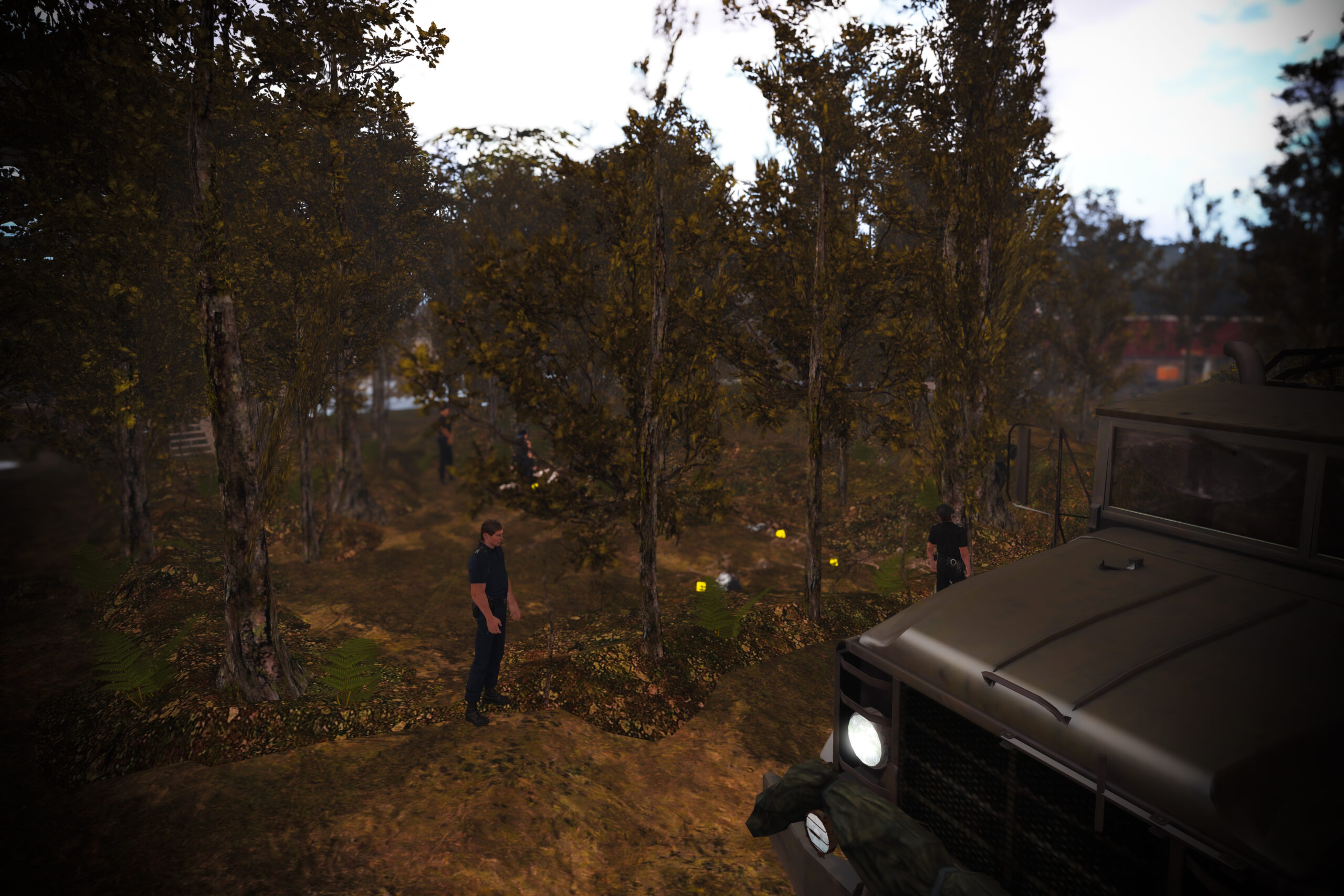


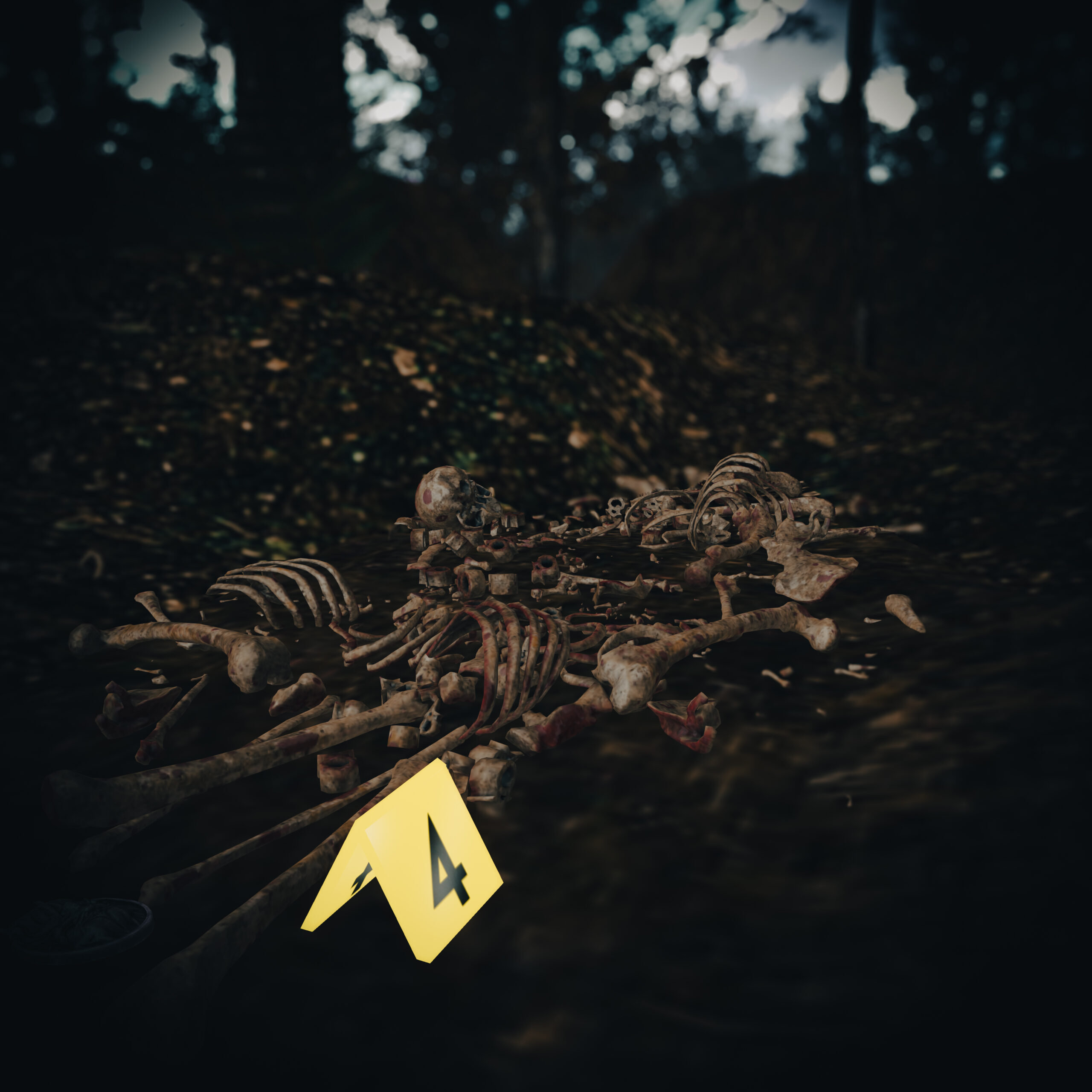
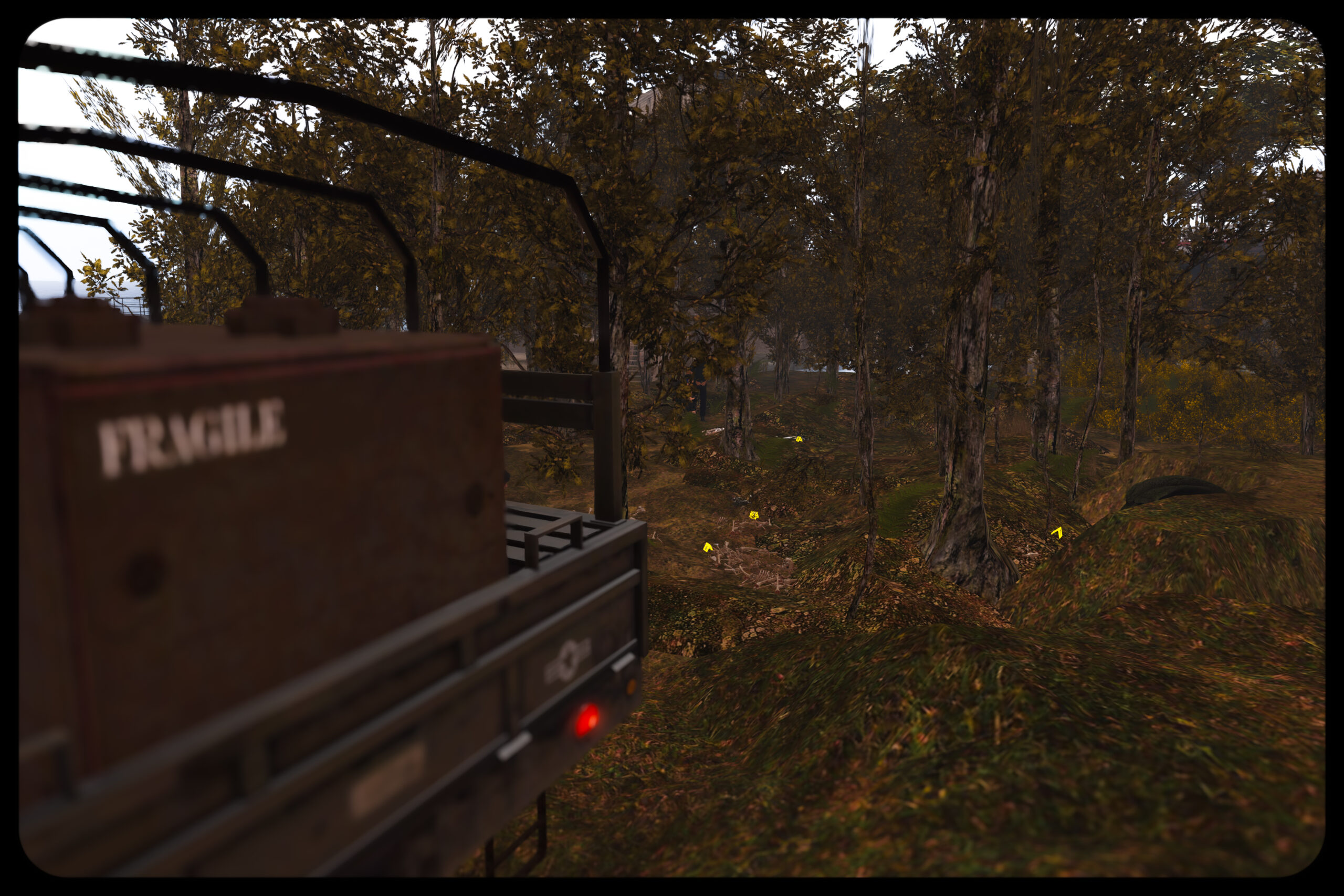
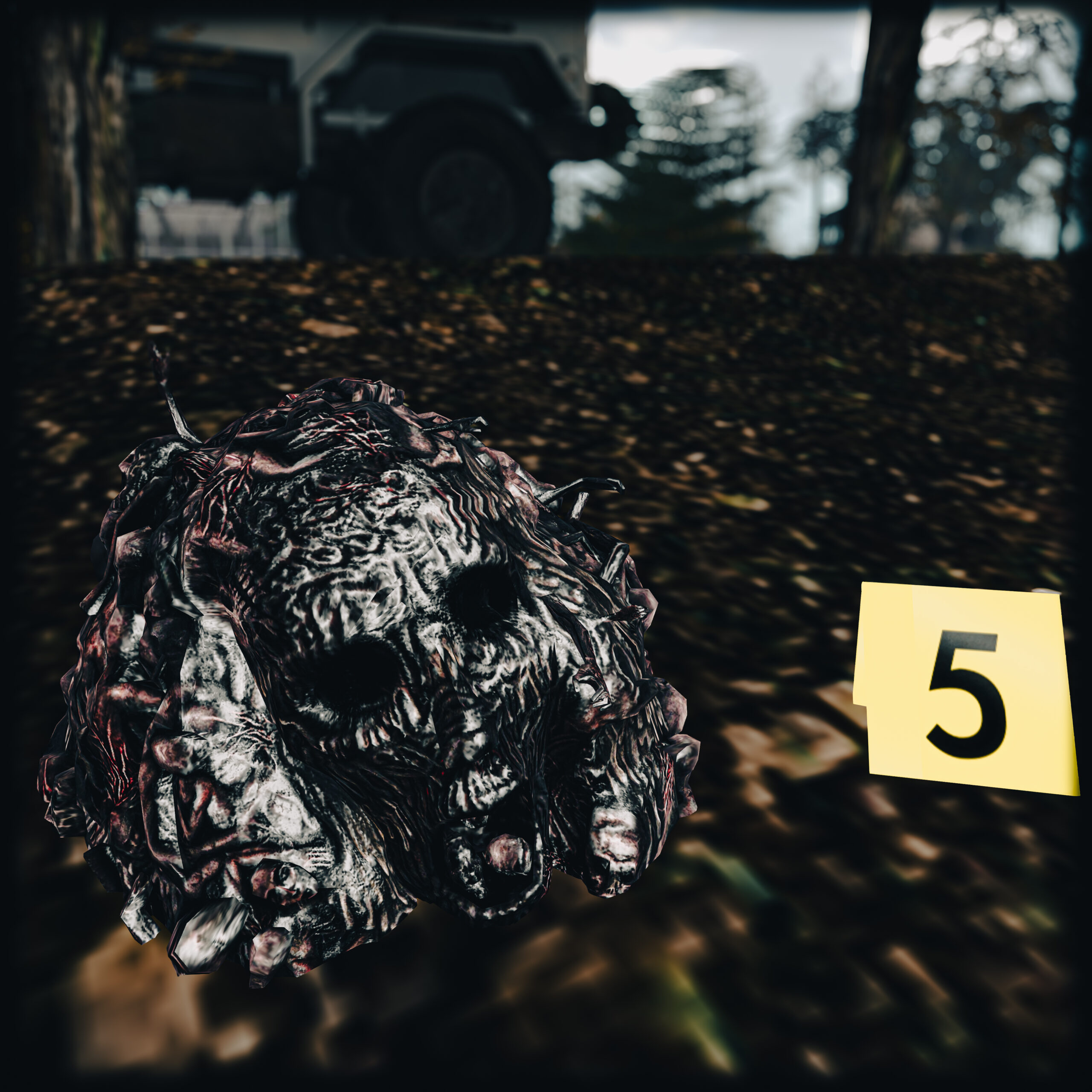
As readers will see there were potential human remains in the find and local authorities were noted to ensure there was no ‘funny’ business that was relevant to their law enforcement duties. Once this was cleared, human remains were treated sensitively and subject to appropriate reburial procedures.
Transport & Display
The HMG is able to display through rotating exhibits and my understanding is the Directors were very pleased to take possession and care of the range of artifacts. They were of different standards of quality and preservation and were reviewed by a range of HMG colleagues before being added to the catalogue and display.
The general conclusion was that other than for one object (see below) that the collection was from a relatively recent neopagan cult site. One key factor was that the bones, which were assumed to be either related to cult members or used in cult activity were mostly intact. Given remains were mostly intact and the objects generally displayed similar aging then the collection was generally estimated to be 70 90 years old, although when they stopped being used and were abandoned was not easily discernible. As readers will know, Louisiana and Laveau in particular attracted strange beliefs and value systems from all over the continent and abroad, therefore it is not surprising to find a relatively eclectic mix of items in the rea.

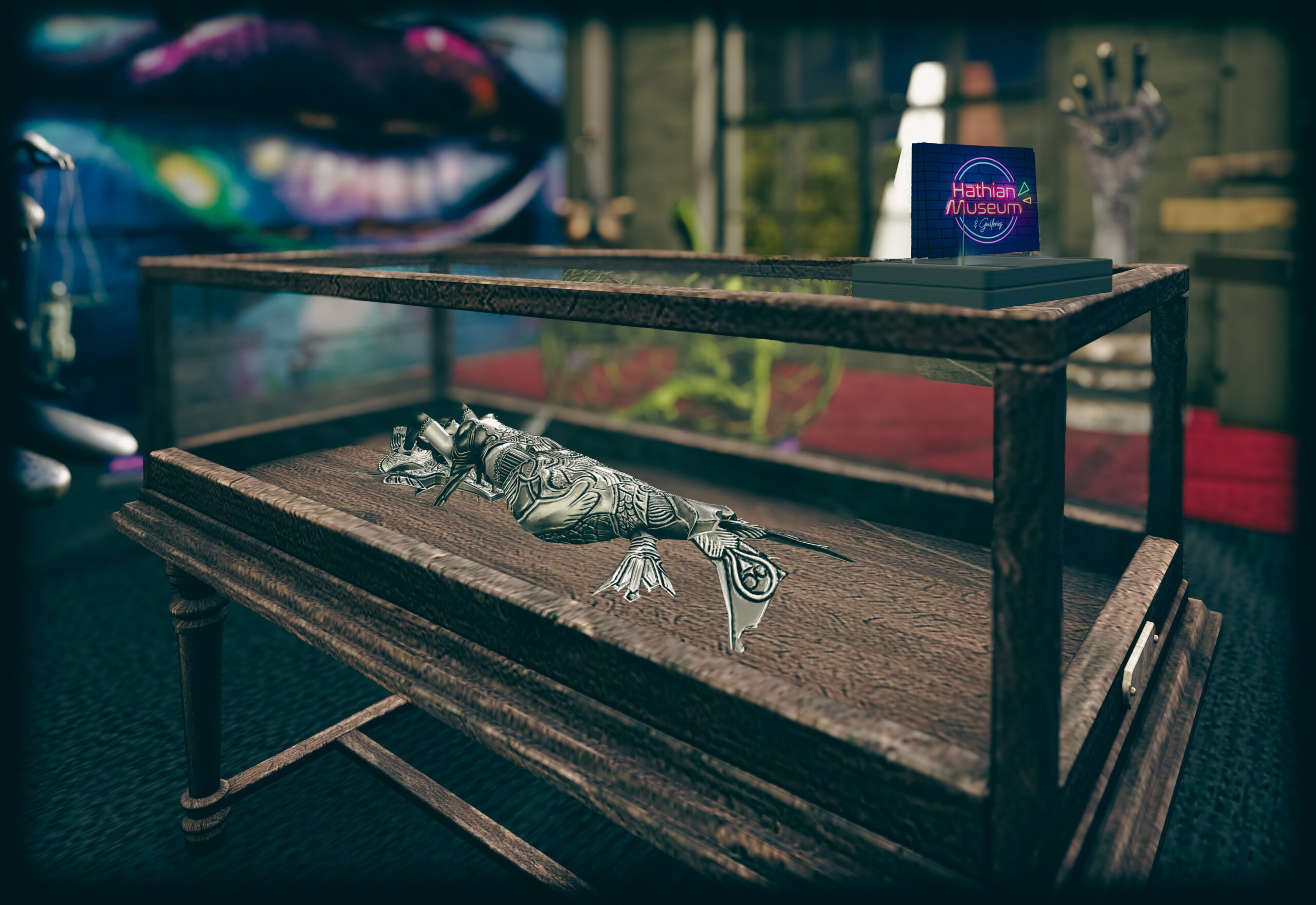

As mentioned above, there was one item, substantially older than the others and not from the same period. It was also a biological hazard having some form of bacterial and/or fungal properties that both caused illness among the recovery team and a requirement for full cleansing before it could be displayed. At the current time the item remains in the HMG’s archival lab for analysis and translation of the writing found on it. There were two parts, one of which appears more recently carved than the other and read:
“From the abyss, to the abyss they watch and wait. Beyond the stars, beyond the reach of light the dwell. From the inner and the outer they watch, waiting until the time is right and let those who disturb their works know this! That death shall come with a thousand unheard footsteps. Death shall come unseen, yet shall be seen for their curse will be upon them! Beware the shadows of dusk for in the breath of darkness, their caress shall be felt and the creature of the wastes, the creature of suffering, shall emerge and wax strong. Death shall come swiftly to those who defile their works.”
The HMG are still working on the translation of the second, more ancient paragraph.
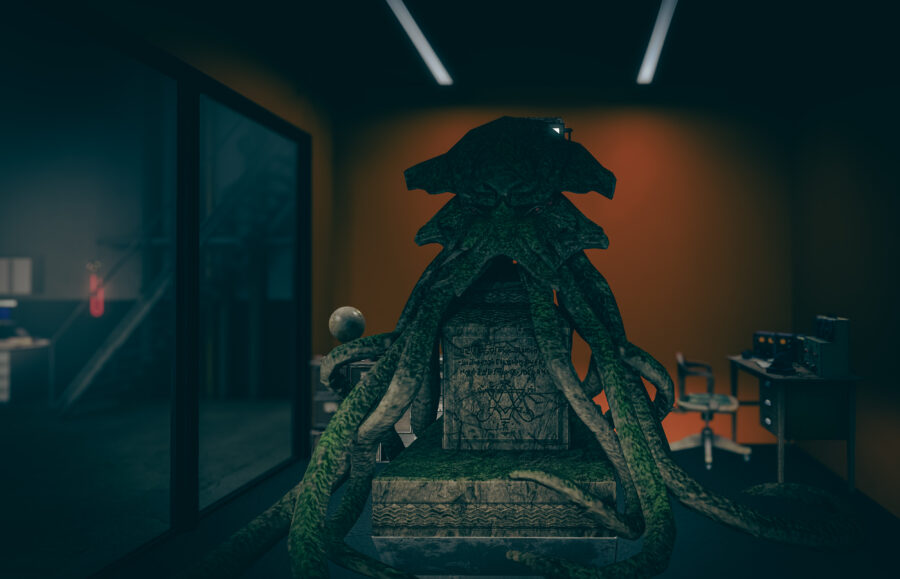
With items nearly all on display, residents of Hathian and the surrounding areas are encouraged to come and see local history on display, they can also catch the ending weeks of the Asylum display and of course partake in the Cinema, Cafe and relaxing gardens around the museum.
Local Reactions
The news of a discovery was met with keen interest by a range of Laveau and Hathian residents. The Observer tracked down Mr. Oungan Mankus who as some know has some quite considerable knowledge of the area and some of the more esoteric practices.
We asked him some questions about how he felt regarding these finds in his ‘own back yard’.
Observer: “The HMG has commissioned some research about these objects, although some details appear to still elude them. As someone who appears to have an interest in the different and the strange, what can you tell us about what we’ve found out in the earth of Laveau?”
Mankus: “Well, if you look at a vast majority of the items, I’m sure you will find it obvious that there is a theme. Mermaid items that indicate a Cephalopod, like the statue and some of those round metal objects with their engravings. The location close to the waters would signify this area was an important meeting point.”
Observer: “There are a range of trinkets and other objects. Some appear to be 1900s and may represent the expansion of local customs against imported ones, ‘cults’ if you will. What kind of history are you aware about in the local area?
Mankus: “There are many legends of older cults in this area. The Disciples, for example. Their legacy is enshrouded in whispers and tales. Given the mix of symbols yet the clear theme of the sea, it could well have been a sea faring people. Take fishermen, for example. They travel the seas, go to islands and so on. Such was even more the case in older times. It may be that this cult had a following here already and simply found other influences that adhered to their ways. It may be something else altogether. There are older and more ancient things in the bowels of the earth, some of which are forgotten now in time… and perhaps should remain so. Given the finds, this was a sacrificial site. The objects found on the statue would indicate it was used as an altar, a focus for sacrificial and dark rites.”
Observer: “A larger statue is currently parked in the HMG lab and restoration facilities. There was apparently a rather insidious illness that was attached to it. Although the HMG haven’t translated it all yet, what do you make of what they have, why do you think it was inscribed and what do you make of what appears to be a curse?”
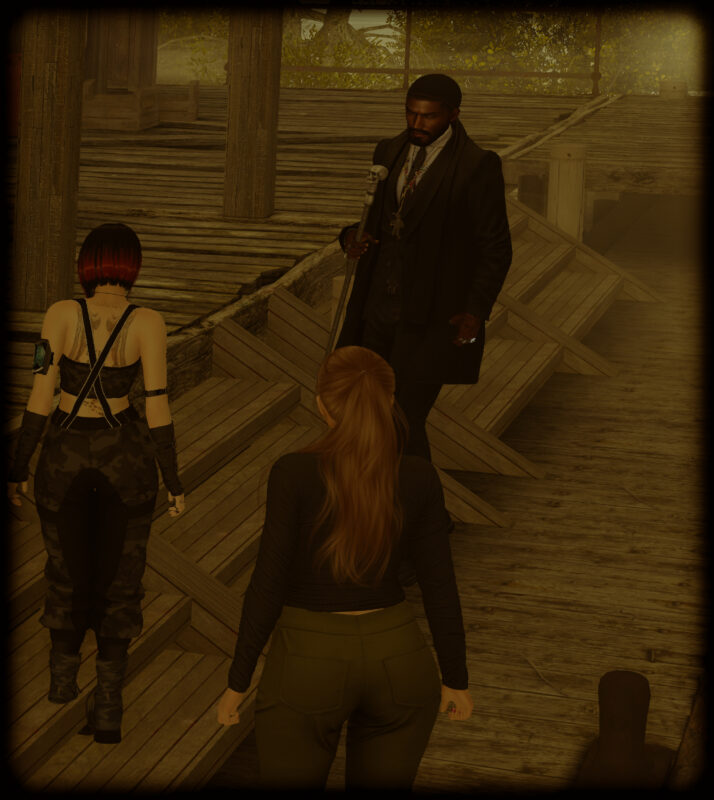
Mankus: “Like the old Egyptian pyramids, people did not want items of religious or funerary nature to be disturbed. Curses were a way to keep robbers at bay. Such things are to be taken seriously, I would say. There was a doll found there jabbed full of pins. Curses were clearly a big part of their beliefs. Take for example, King Tutankhamun. His tomb was sealed with a curse ‘Death shall come on swift wings to anyone who touches the king’s tomb’ Look what happened then to Lord Carnavon! Bitten by a poisonous fly that weeks later claimed his life. At the moment of his death, it was said every light in Cairo and his loyal hound simply dropped dead. He didn’t believe in curses…do you?”
The Observer doesn’t believe in curses, other than swear words, although I… independently wouldn’t want to get on the wrong side of a witch or curse-giver. Why tempt bad luck?
Observer: “Have you ever come across other objects around Laveau?”
Mankus: “I see things in the mud but as much as they interest me, they are better left where they are. Sometimes that which is lost, remains lost for a reason. Nothing good can come of disturbing that which is dedicated to darkness. All that glitters is not always gold and the prettiest diamond with its glittering facets is nothing more than a path downwards into the unknown, unnamed and the unnameable.”
The HMG have invited Mr. Mankus to give a talk at the Museum about the objects, so look out for this event coming soon and in the meantime, come and visit the newest collection. Private tours with a museum member of staff can be arranged and for those enrolled in CU, watch out for fieldtrips to the museum.