By: Louis Dupuis
There is a place where turf ceases to exist, and control and violence are barely ripples breaking the surface. Unbroken tranquillity abounds and if you visit at night, you are rewarded with the sight of stars lighting up the inky sky. A peaceful place located right by the city, accessible to all. Yet its tranquillity has hidden depths, a murkiness underlying it all.
On the overpass it dazzles the eye and draws you in with its expansive view. Distracting and alluring, it is a place that conceals as much as it reveals.
But this location is also Hathians biggest enemy, and a greater force of violence than any gang or police or crazed individual.
There’s something about the water.
The Hathian Coast
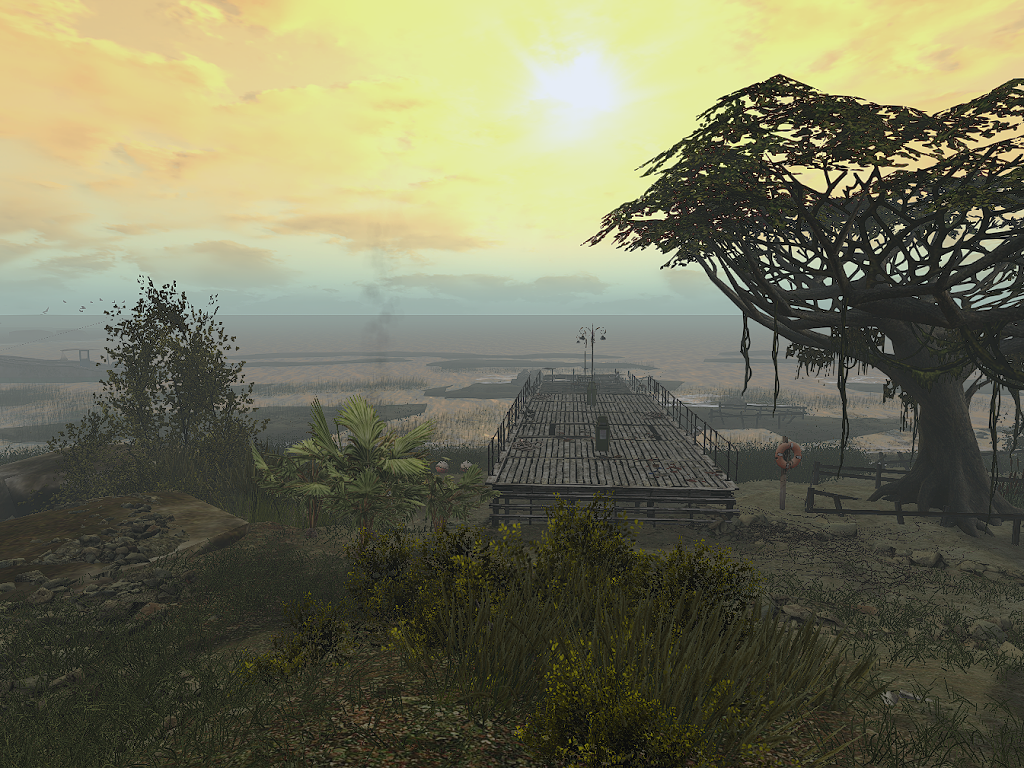
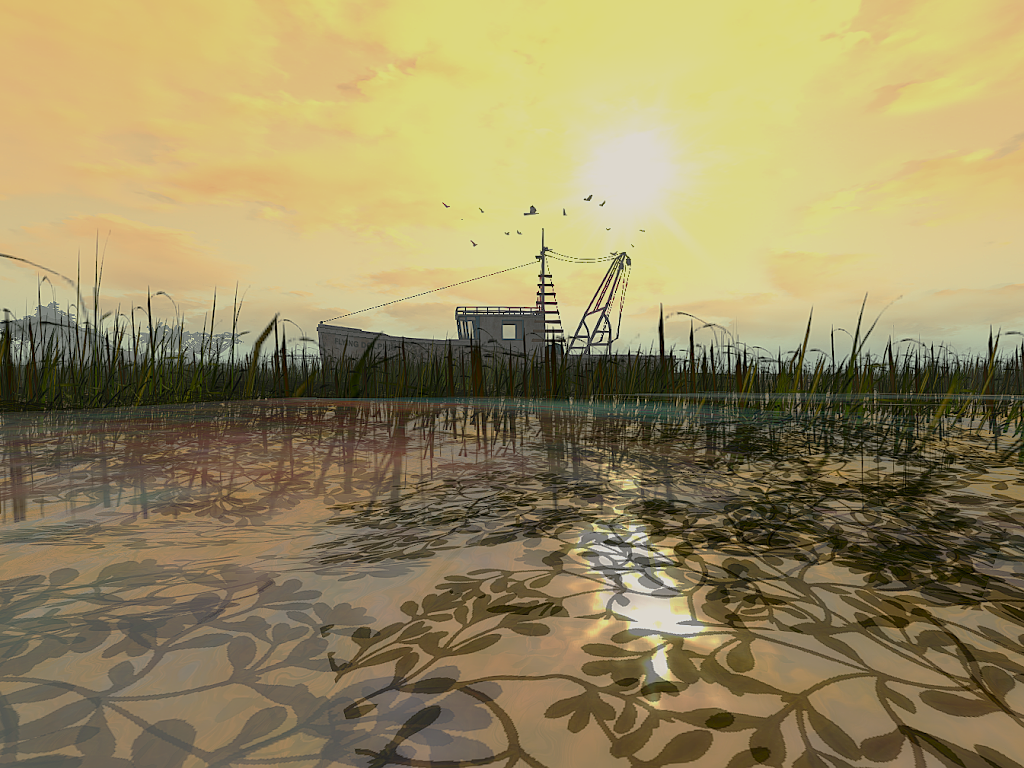
Bodies, drugs, debris from shipwrecks. Over the years all of these and more have surfaced from the silty waters that lap the North Shore beach; a place none control, and all can visit without transgressing any imaginary boundaries. Nobody blocks access and nobody has any stake out here on the water. Ships and boats no longer haunt the area and only a solitary wreck remains bobbing sadly on the surface. The fish have left, pollutants driving out most of the eco-life or choking existing species, strangling the fishing industry.
In hurricane season, the water whips up into a frenzied force, threatening to overwhelm any and every one unfortunate to be in its direct path. The city floods and the city prays and reels in its devastating aftermath but every year things get steadily worse. Businesses by the coastline have been forced to shut down and only Slim’s Diner is able to reopen year after years, hurricane season progressively worse than the last. But even the Diner has to hard reset, needing to repair and rebuild.
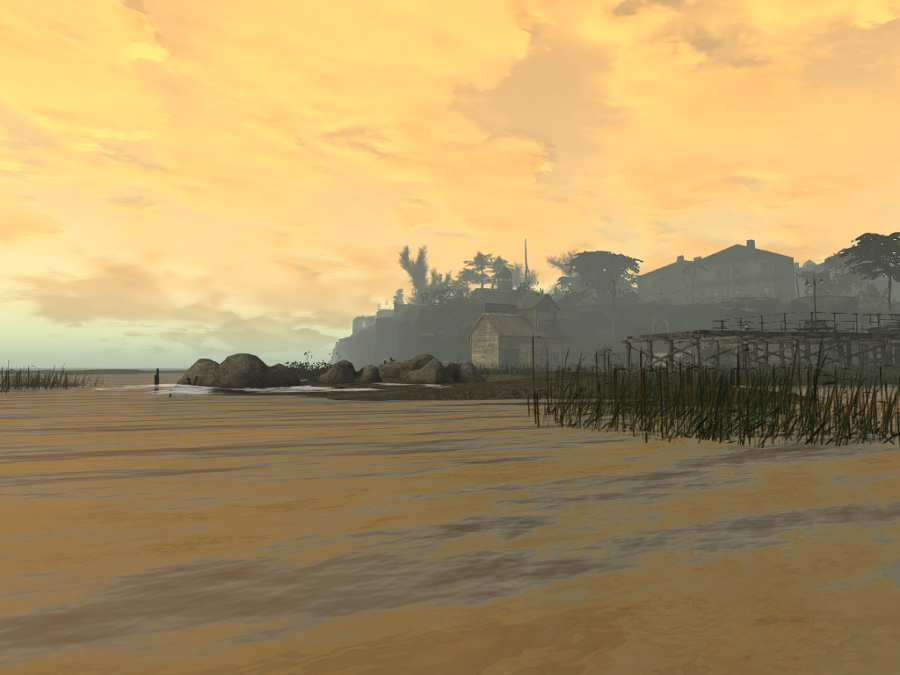
The coast, the waters, otherwise tempt and dazzle as a place to escape the ugliness of the city at large. But hidden in its depths, one might find an array of things without even meaning to, from body parts to abandoned drugs, needles, guns and weapons that connect to past criminal activity. Just like any snapshot of the city, it’s grit and dirt are either easily visible or pushed down and hidden from the surface.
And as beautiful as it can be, the water is dirty, polluted from decades old oil spills, wildlife choked, struggling to survive. A former economic earner for the city, nowadays the fishing businesses that operated on the shore are dead and decaying, their very buildings rotting on the beaches, battered and beaten by hurricane after hurricane. Year after year, the water levels increase and the storms intensify, rainfall breaking record after record.
With water on the rise as a greater threat to people’s lives and livelihoods than the (man-made) economic depression, drugs and violence that plague the city, some see it as vital to start implementing measures that will serve to protect the city, its citizens, and businesses.
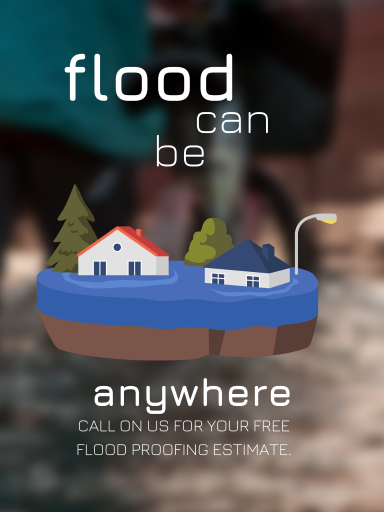
“I am interested in preventin’ floodin’, yeah. This is somethin’ brought my way as an idea by somebody who I otherwise would not usually listen to, but this time was different. While I have been out in the city an’ around, carryin’ out flood-proofing estimates an’ assessments on a private scale with my construction company–Ferrer Construction–I haven’t been able to convince Mayor Boxer an’ the city council to invest in creatin’ a natural barrier in the waters by the North shore. A lot of the businesses are low-lyin’ bein’ situated at the end of Bourbon Street an’ are directly impacted by floodin’ an’ the hurricane year after year.”
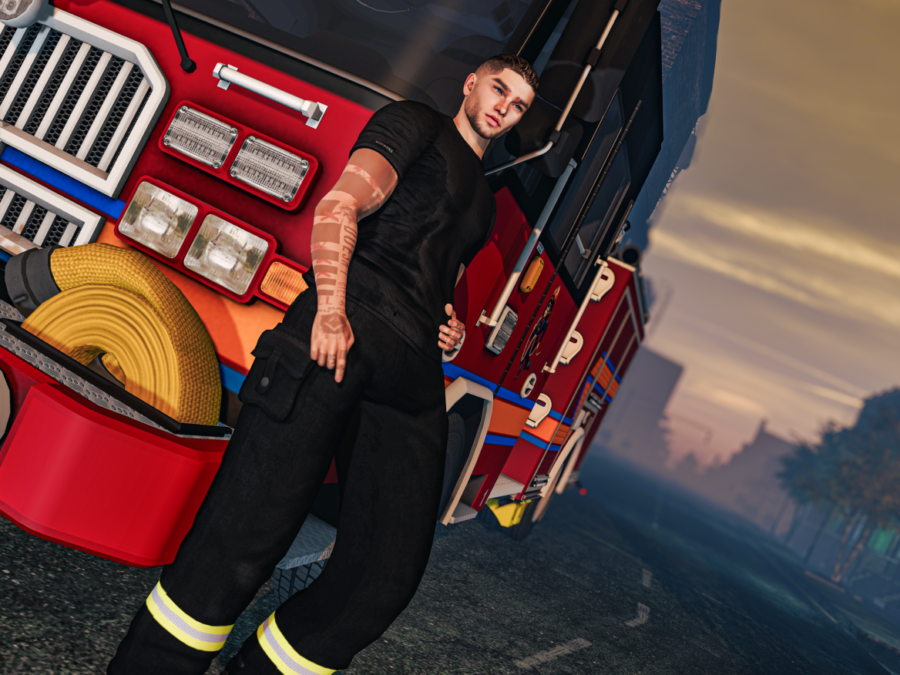
“The thing is, if Mayor Boxer isn’t listening, a donation made by a few businesses in Bourbon Street of plants an’ saplings, an’ some other green or raw materials would be enough for me to be able to go out with a crew an’ start creatin’ a hybrid protective barrier, consistin’ of plants, sand, seashells, vegetation an’ sediment. We could add some concrete an’ vinyl, reinforced with rebar or some large boulders an’ rocks to help fortify this protective barrier an’ the damages would be a whole lot less to the city an’ businesses there that way. We could replicate this in areas of density which badly need this protection.” Ferrer Construction and Head of the Labor Union and FDH Captain, Nathan ‘Nate’ Ferrer explained to the Observer over a meal at the Flamin’ Cajun on Grand Massacre Street, a business directly impacted by last year’s hurricane. (We paid; he refused to interview otherwise.)
The investment is something that businesses in Bourbon Street might be ill able to afford and while Ferrer Construction is able to front some of the cost and willing to, other businesses may not be able to save themselves and the mayor is not one who appears to be willing to make changes to the city or its budget.
“I think we have other pressing priorities; the mayor’s office has to oversee a whole host of issues such as homelessness, and drugs and the violence in this city. Why can’t everyone be like Batterie beach and just live a nice, law-abiding lifestyle? Nothing happens out there! Just big houses! Why can’t you people just make money and stop killing each other?! Actually, if this city was straightened out, it would only turn on itself. We are a dreadful city and that is thanks to you all.” A city councillor made these explicit remarks to us on the grounds that the Observer would keep their name out of the press.
Water may be one of the biggest threats to the city, but it is also inactivity and the lack of action that will, in the long run, kill us all. When no one is prepared to take risks and act, when people are apathetic and slowly, or quickly even, killing themselves, it is no wonder then, that we may end up resigning ourselves to living in a failed city.
Editorial
Oh dear, oh dear… another nail in the coffin of equality, not just the kind between men and women, but between the city and the coast that’s supposed to cradle it. When nature does the smashing and grabbing, everyone suddenly remembers ‘priorities‘. Funny how budgets harden when seawater softens your foundations – Ed.